
Takeaway food packaging
Packaging built for food on the move.
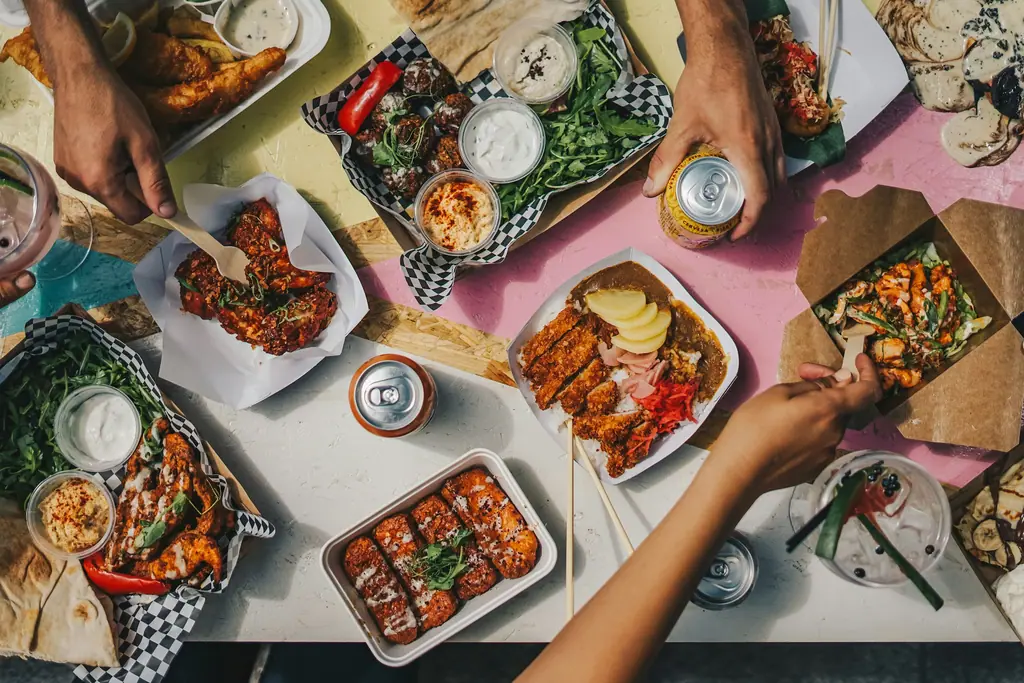
Containers, boxes, trays and pots for takeaways, restaurants, street food traders and delivery-led kitchens — supplied wholesale and selected around the food, the portion and the journey it has to make.
- 01Product categories
- 02Selection considerations
- 03In service
- 04Before you order
01 / Product categories
Eight formats.
One job: get the food there.
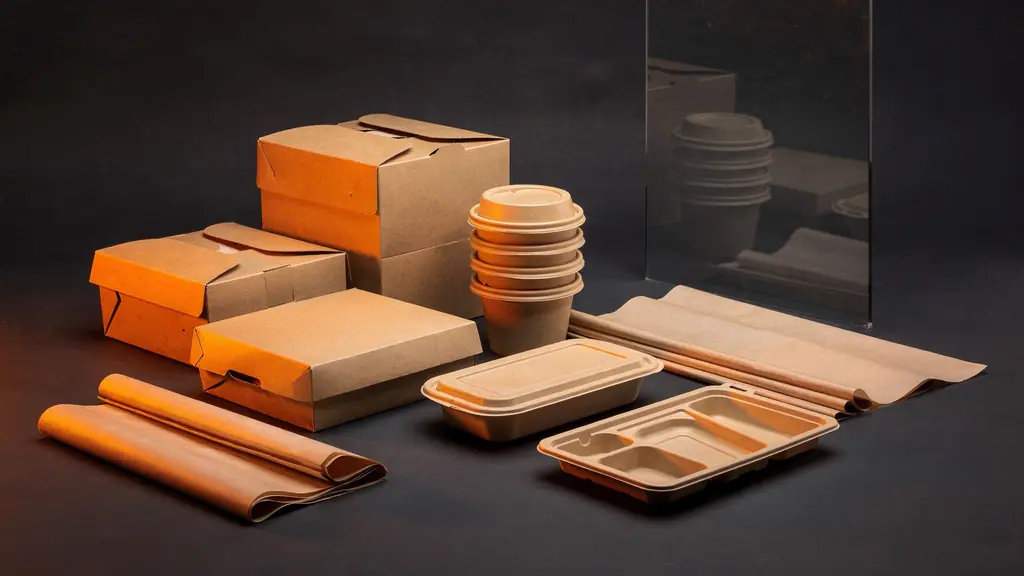
Takeaway packaging covers a wide range of formats. These are the core categories Firefork supplies — the exact product, material and pack quantity are confirmed against your menu and service.
Illustrative product category — specific products confirmed per requirement
- 01
Takeaway containers
General-purpose containers for hot and cold dishes, in formats from single-compartment tubs to multi-portion boxes. The workhorse of most takeaway menus.
- 02
Burger boxes
Hinged clamshell boxes that hold a burger together from the pass to the customer, with room for the build to stay intact.
- 03
Meal boxes
Folded board boxes with fold-over or tuck closures for food-to-go meals, noodles, salads and street-food dishes.
- 04
Food trays
Open trays for serving, sharing and quick-service — from chip trays to larger catering formats.
- 05
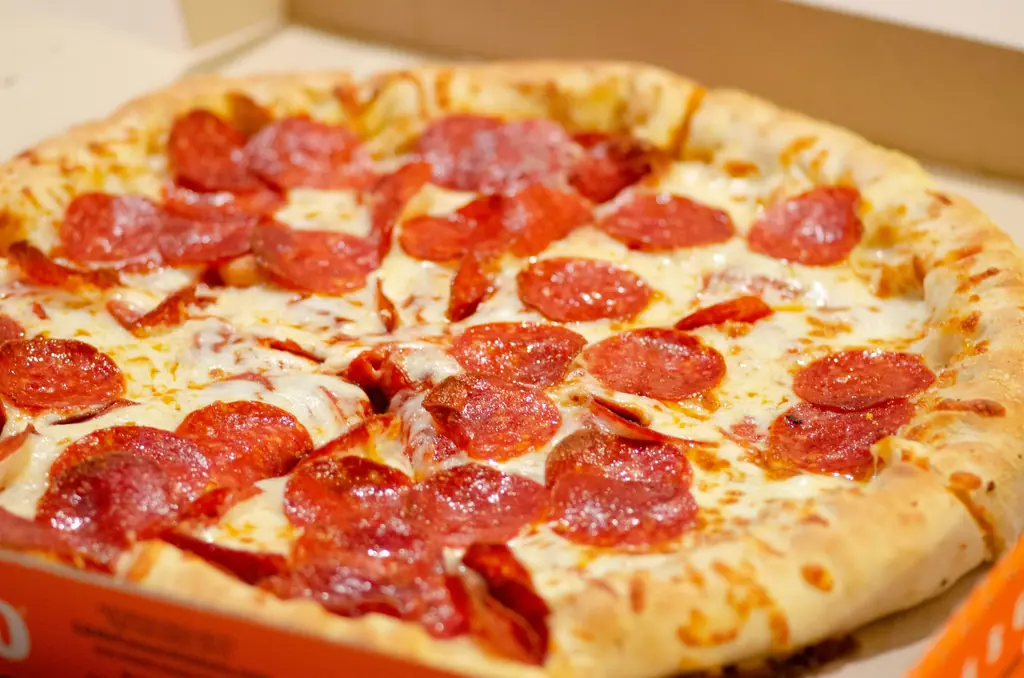
Pizza boxes
Corrugated board boxes sized to the pizza, built to stack and carry flat.
- 06
Salad containers
Containers with clear or board lids that show the product, for salads, bowls and cold food-to-go.
- 07
Soup containers
Lidded tubs and cups for soups, stews and liquid-heavy dishes that need to travel upright.
- 08
Portion pots
Small lidded pots for sauces, dips, dressings and sides that go alongside the main item.
02 / Selection considerations
Seven questions
before the first order.
Choosing takeaway packaging is a practical decision. These are the questions Firefork works through with you so the product suits the food — rather than the food being forced into the product.
- 01
Food type
What exactly is going in the pack?
Dry, wet, greasy, saucy, crisp or delicate food each place different demands on material and closure.
- 02
Portion
How much, and in how many parts?
Capacity and compartments should match the menu portion, not the other way round.
- 03
Temperature
Hot, cold, or both on one order?
Any temperature limits are set by the individual product specification — confirm before use.
- 04
Transport
Collected, delivered, or eaten on site?
Journey length and how packs are carried shape the closure and stacking needs.
- 05
Closure
How does it close, and does it stay closed?
Tuck, hinge, clip or separate lid — chosen for the food and the trip.
- 06
Material
Board, kraft, paper-based or other?
Material preference is considered alongside what the application requires.
- 07
Presentation
What does the customer see on opening?
Packaging is the last part of the dish the kitchen controls.
03 / In service
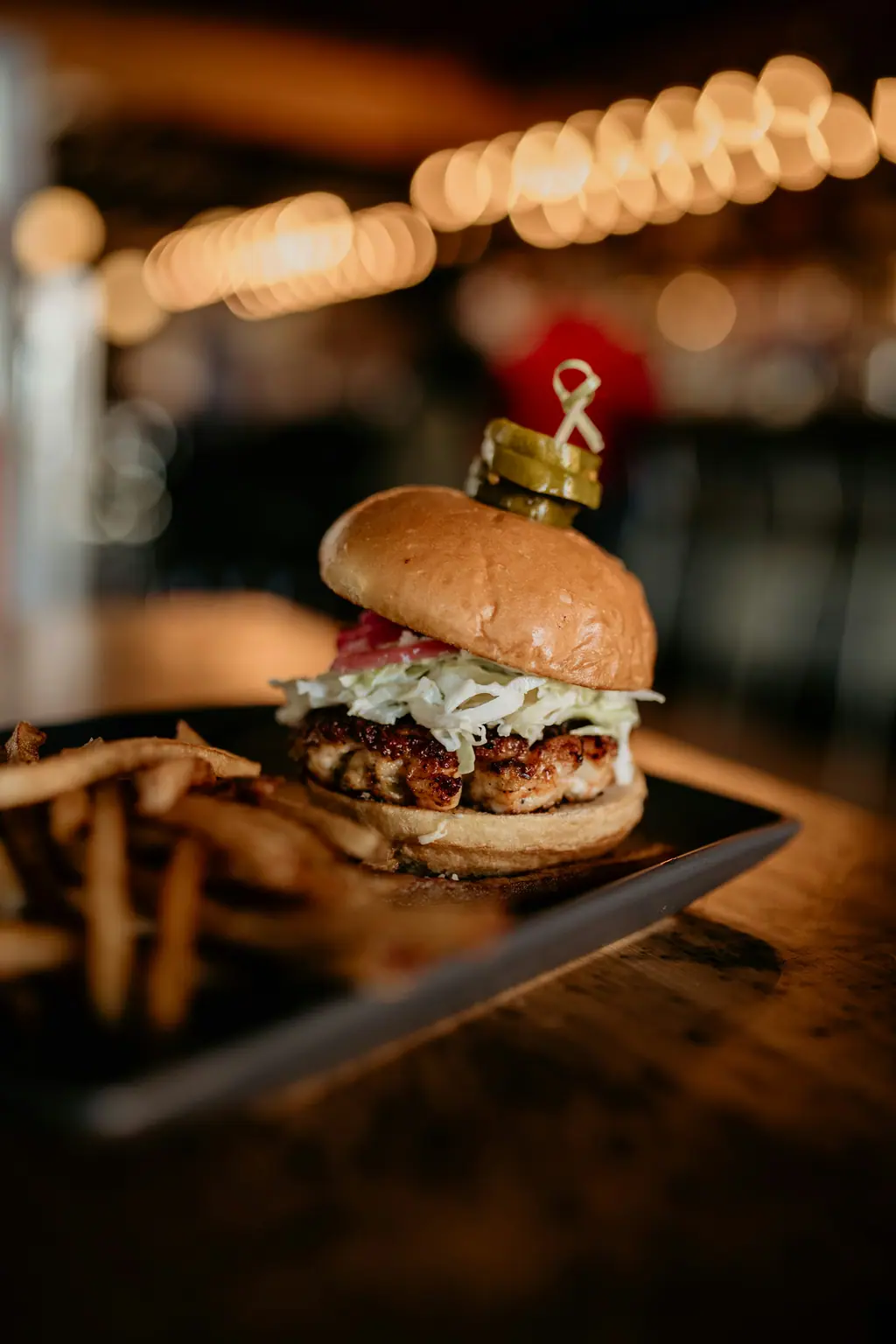
Packaging has a job to do. The best container is the one the customer never has to think about.
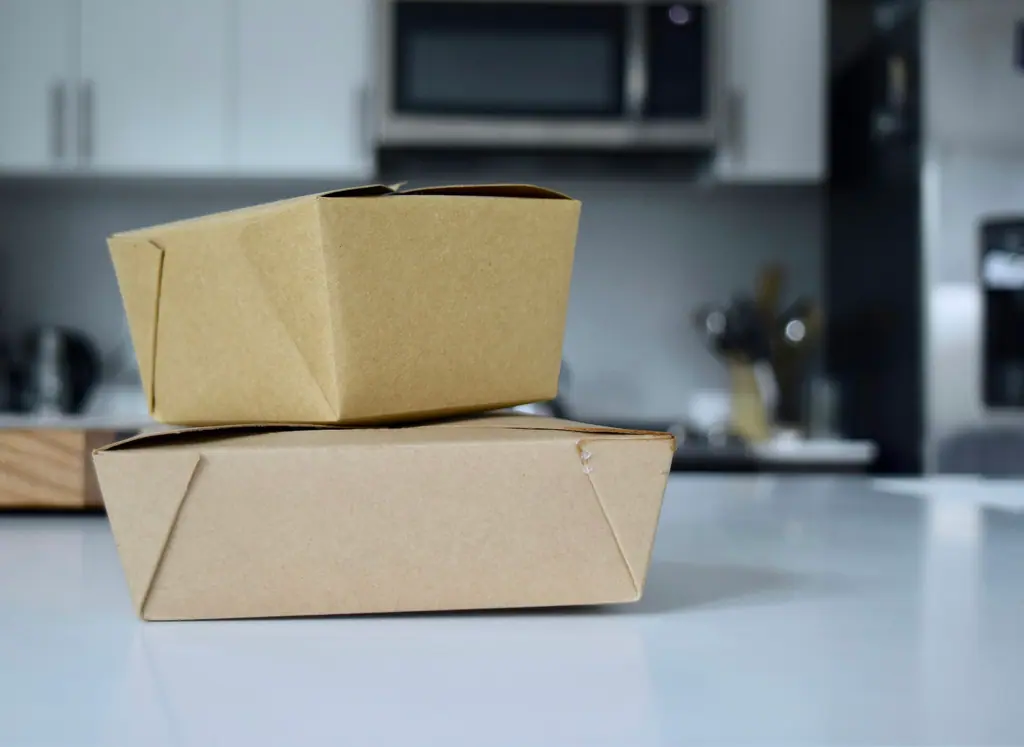
Takeaway packaging sits between the kitchen and the customer for minutes, not hours — but those minutes decide how the food arrives. Photography shows general takeaway service context.
Supply enquiry
Tell us what’s
on the menu.
Share the dishes, portions, service model and approximate quantities — we’ll come back with suitable takeaway packaging options to confirm.
Useful to include
- 01 Food type and service model
- 02 Packaging or consumable categories
- 03 Material preference, if any
- 04 Approximate quantities
- 05 One-off or repeat requirement
- 06 Delivery postcode and timeframe