
Alternative packaging materials
Alternative material options where the product specification supports them.
Kraft, paper-based, recyclable and compostable options can be discussed as part of any supply enquiry. We describe them carefully: a material is not a claim, and a claim depends on the product, its documentation and what happens after use.
- 01Material options
- 02Claim discipline
- 03In context
- 04Before you order
Environmental claims statement
Important
Recyclability and compostability depend on the specific product, material, disposal conditions and local waste infrastructure.
01 / Material options
Four routes,
each by specification.
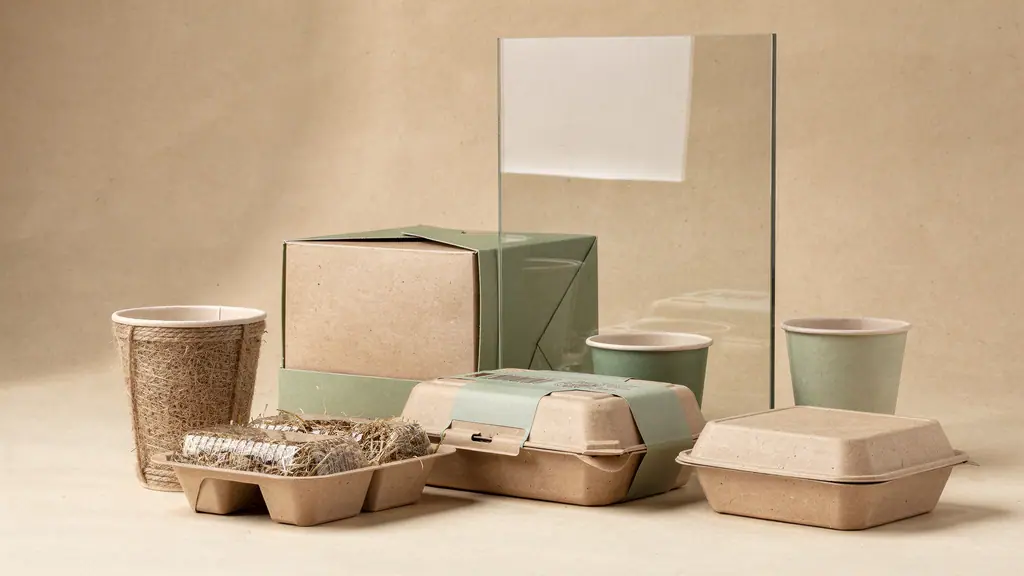
Many menu items can be packed in more than one material. Firefork can discuss kraft, paper-based, recyclable and compostable options where a suitable product specification exists for the application.
- 01 Material
Kraft
Unbleached or natural-look paperboard used for boxes, bags and containers. A finish and material choice — not an environmental claim in itself.
What to checkCoatings, liners and windows can change how a kraft product is handled after use.
- 02 Material
Paper-based
Board and paper formats for cups, containers, wraps and bags, often as an alternative to rigid plastic formats where the application allows.
What to checkWhether the product suits hot, wet or greasy food depends on its specification.
- 03 Claim — by product
Recyclable options
Some products are designed to be recyclable where suitable collection and processing exist. That depends on the product and the local system.
What to checkContamination with food and local kerbside acceptance both affect real-world recyclability.
- 04 Claim — by product
Compostable options
Some products are described by their manufacturer as compostable under specific conditions — often industrial composting rather than home composting.
What to checkCompostable packaging generally needs the right collection route to be composted.
02 / Claim discipline
No greenwashing.
Just the documentation.
Environmental claims on packaging are easy to overstate. Firefork keeps them tied to the specific product and its supplier information, so what you tell your own customers can be backed up.
01
What we say
- The material a product is made from, as described in its product information.
- Recyclable or compostable only where the specific product’s documentation supports it.
- The conditions that apply — for example, industrial rather than home composting.
02
What we don’t say
- Blanket “eco”, “green” or “sustainable” labels for a whole range.
- “Plastic-free”, “biodegradable” or “carbon neutral” without documentation for that product.
- Promises about outcomes that depend on local collection and processing.
03
What to check
- Whether your local collection accepts the material — and in what condition.
- How food contamination affects recycling of the packaging you use.
- Any certification marks on the specific product’s own documentation.
03 / In context
The most useful environmental claim is one you can stand behind at the counter.
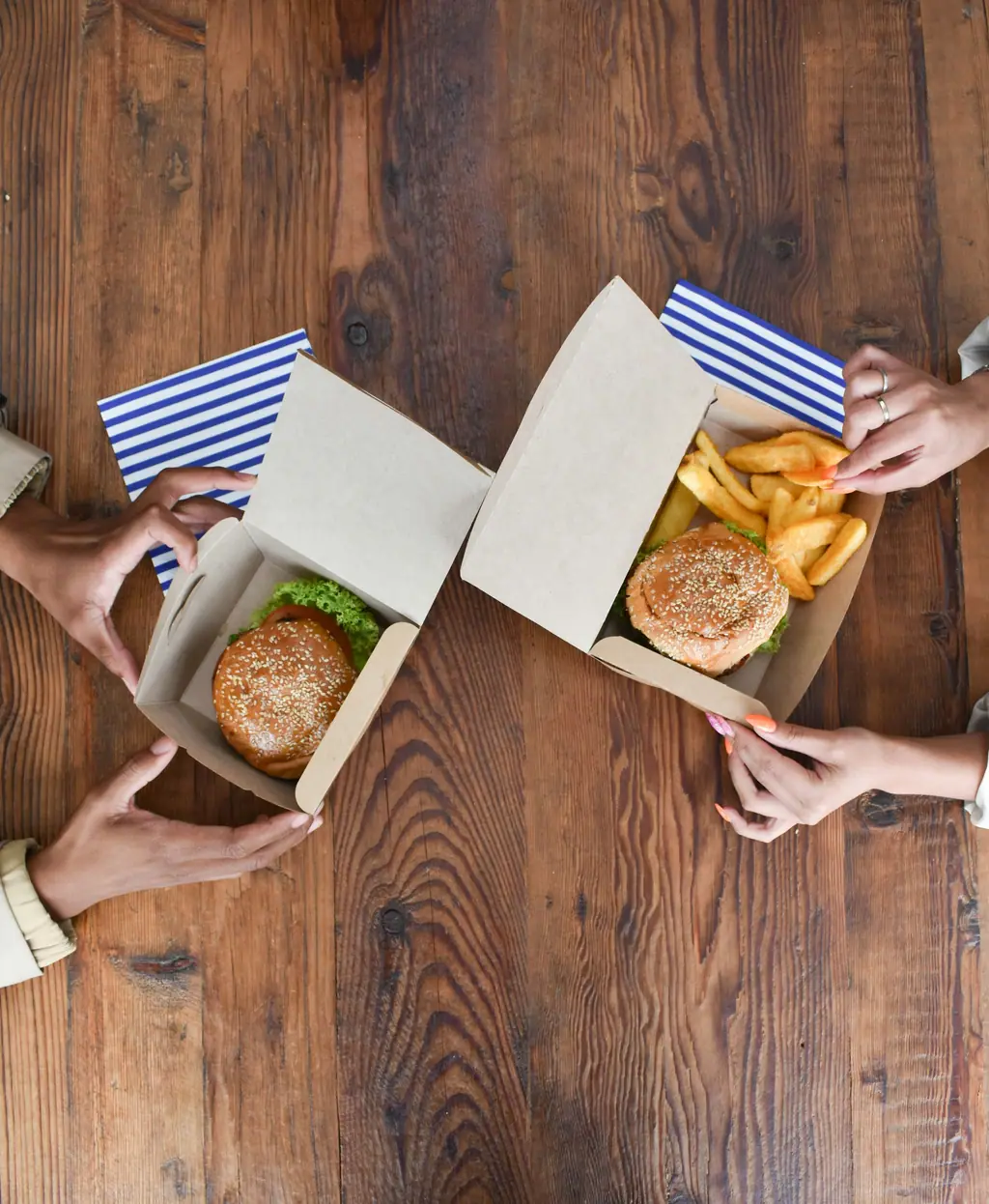
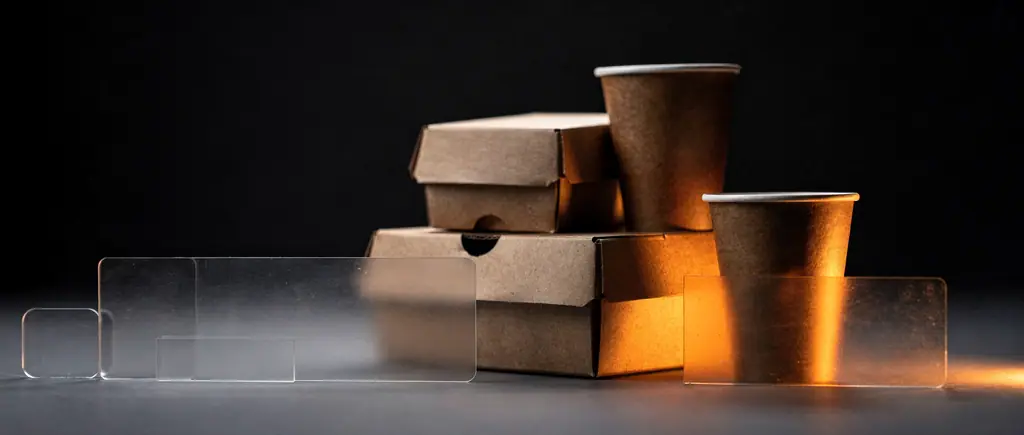
Paper-based and fibre formats can suit many menus. Whether they suit yours — and what you can say about them — depends on the product. Photography shows general packaging context, not specific Firefork products.
Supply enquiry
Exploring a
material change?
Tell us what you use now, what you’d like to move towards and what the food needs — we’ll discuss options where suitable product specifications exist.
Useful to include
- 01 Food type and service model
- 02 Packaging or consumable categories
- 03 Material preference, if any
- 04 Approximate quantities
- 05 One-off or repeat requirement
- 06 Delivery postcode and timeframe