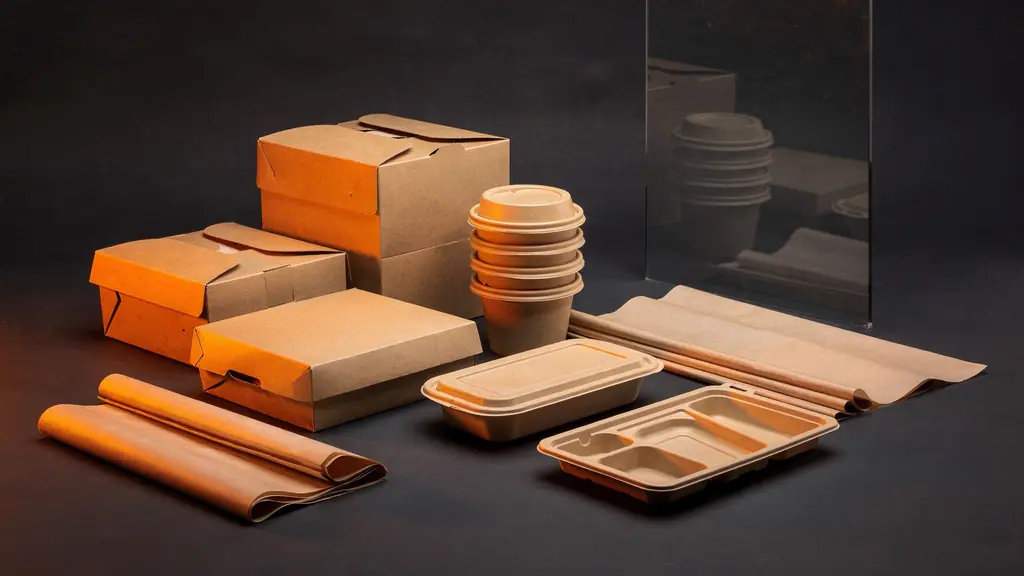
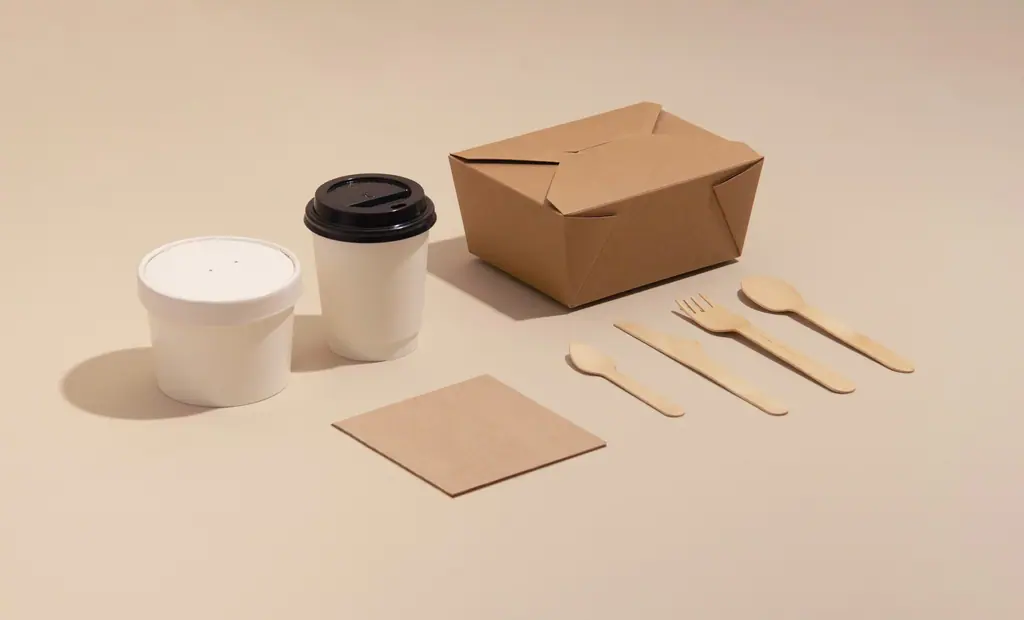
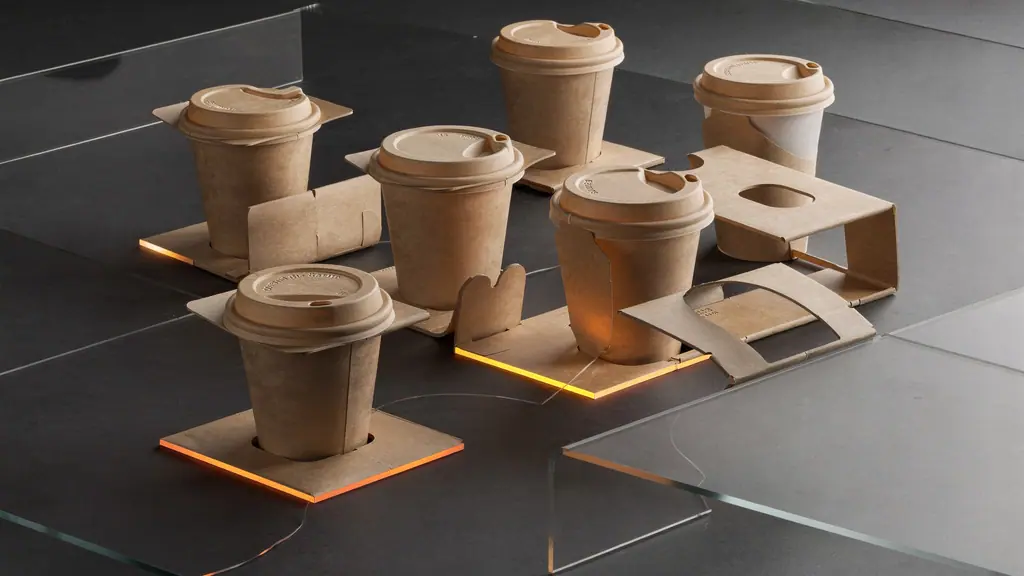
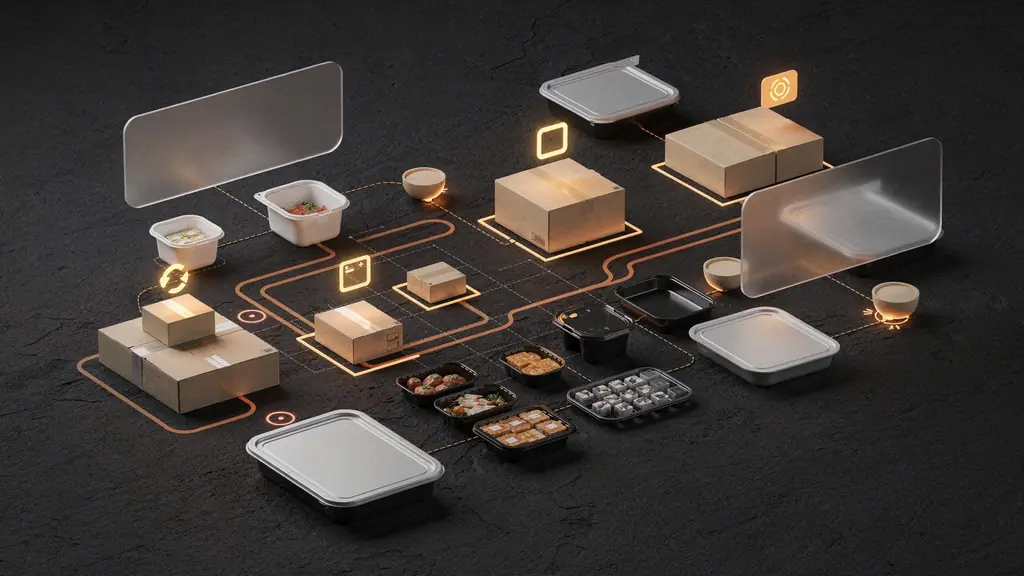
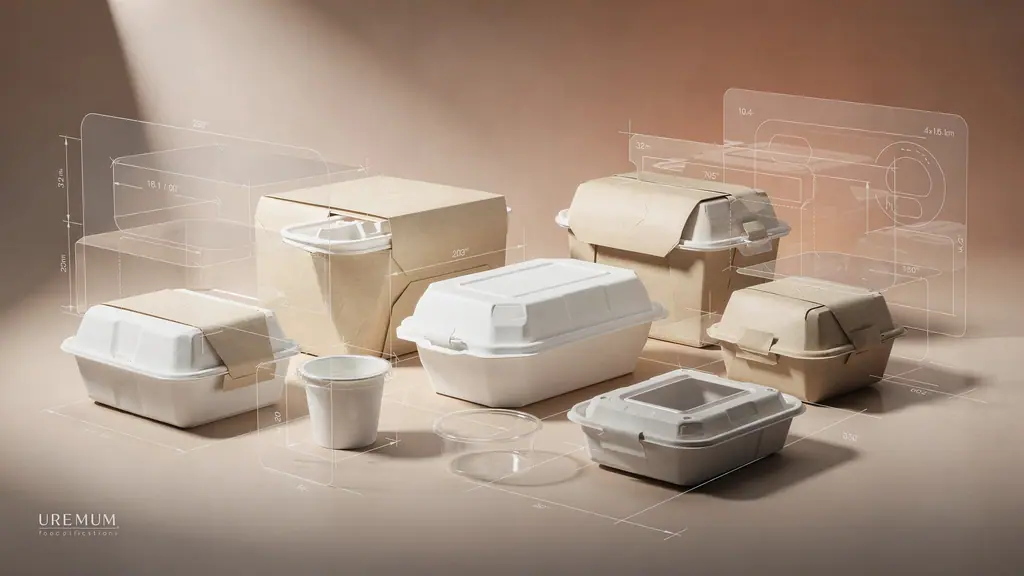
Illustrative product categoryFig. 01 — Foodservice packaging system
Supply routePack → Reorder
01Pack
02Serve
03Carry
04Deliver
05Reorder
02 / The service sequence
Every pack has a job between the kitchen and the customer.
Packaging is part of how food service works. Firefork supplies the formats and consumables used at each stage — from the first box filled on the line to the restock that keeps the next shift running.
01
Pack
Food leaves the kitchen in a box, tray, pot or wrap chosen for the menu item and portion.
02
Serve
Cups, lids, napkins and cutlery complete the order at the counter or the pass.
03
Carry
Bags and carriers keep multiple items together for collection or hand-off.
04
Deliver
Closures and packaging format matter when food has to travel to the customer.
05
Reorder
Consumables run down every service — repeat requirements keep the counter stocked.
03 / Product categories
The packaging wall.
Seventeen everyday categories across takeaway packaging, beverage service, catering disposables and kitchen consumables. Specific products, materials and pack quantities are confirmed against each requirement.
Takeaway packaging has to work in the few seconds on the pass and the minutes on the way home. Firefork supplies containers, boxes, trays and pots for food-to-go operators who need formats that suit the menu and the journey.
Beverage packaging works as a set. Firefork treats cups, lids, carriers and accessories as one service system, so the parts you order are the parts that work together.
Hot or cold service, single or double wall, paper or clear — selected for the drink and how it is served.
↓
02Lid
A lid is only right if it fits the cup. Rim compatibility is confirmed against the specific cup.
↓
03Carrier
Multi-drink orders need a carrier that holds the chosen cup format steadily for collection.
↓
04Accessory
Straws, stirrers, sleeves and napkins complete the drink at the counter.
06 / Catering consumables
The small supplies that keep service running.
Nobody notices napkins, foil or gloves until they run out mid-service. These are the high-turnover consumables that sit behind every counter and on every pass.
Business categories describe the types of foodservice operations Firefork may support.
01
Takeaway
Meal boxes, containers, bags and closures for food that leaves the kitchen hot and has to arrive intact.
Meal boxes
Burger boxes
Pizza boxes
Portion pots
Bags
02
Café
Cups, lids, carriers, napkins and food-to-go packaging for counter service and grab-and-go.
Cups
Lids
Carriers
Salad containers
Napkins
03
Restaurant
Takeaway and delivery packaging that reflects the dish, plus kitchen consumables behind the pass.
Meal containers
Soup containers
Portion pots
Foil
Gloves
04
Bakery
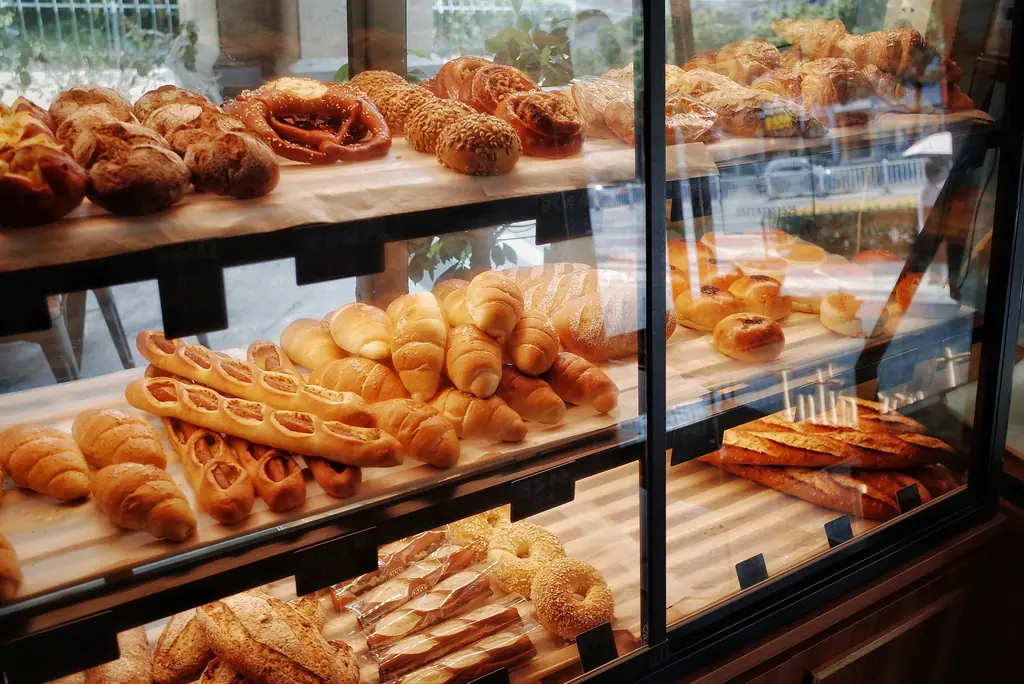
Bags, boxes, greaseproof and trays for baked goods, pastries and counter sales.
Food bags
Greaseproof
Trays
Meal boxes
Napkins
05
Catering
Platters, trays, cutlery, napkins and consumables for contract and event catering.
Trays
Foil
Cling film
Cutlery
Napkins
06
Street food
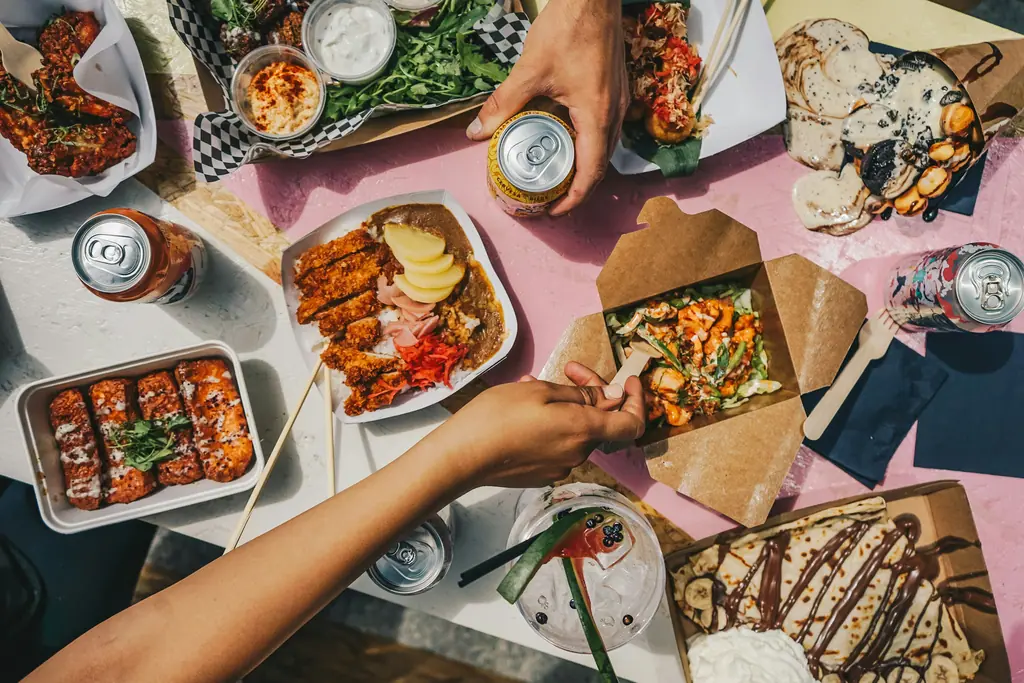
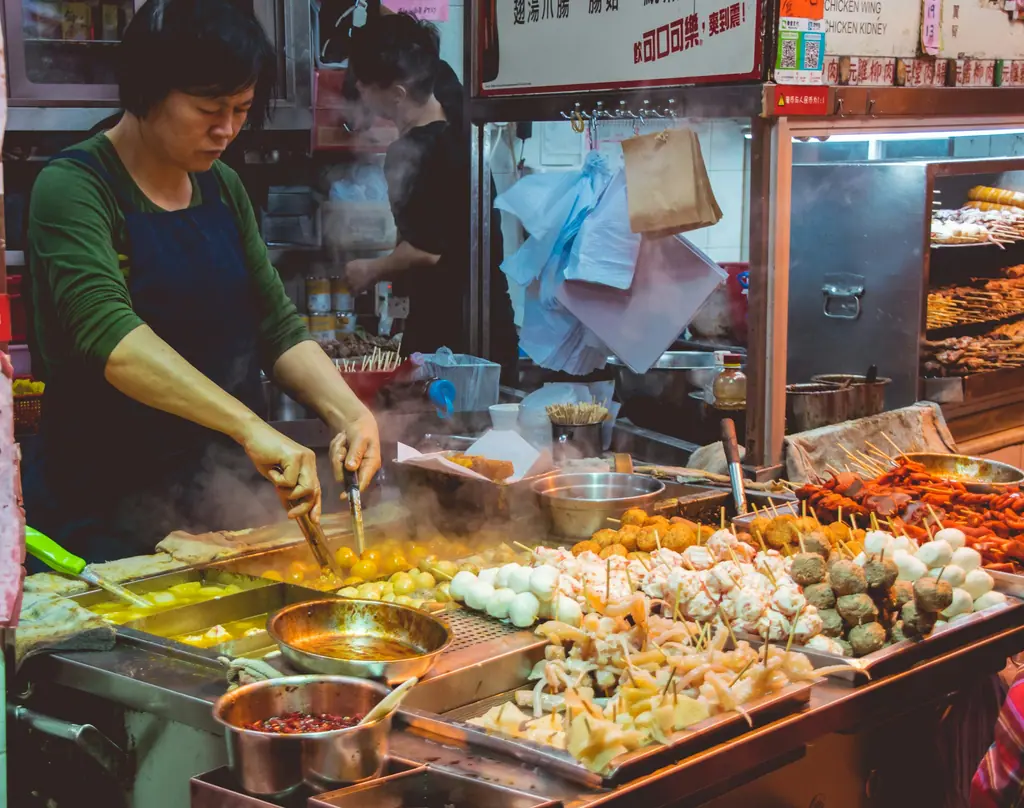
Compact, quick-to-serve packaging for mobile food vans, markets and street traders.
Trays
Burger boxes
Greaseproof
Napkins
Cutlery
07
Events
Cups, trays, cutlery and bags in the volumes events demand, planned ahead of the date.
Cups
Lids
Trays
Cutlery
Bags
08
Commercial kitchen
Foil, cling film, gloves, bags and trays for production kitchens and central preparation.
Foil
Cling film
Gloves
Food bags
Trays
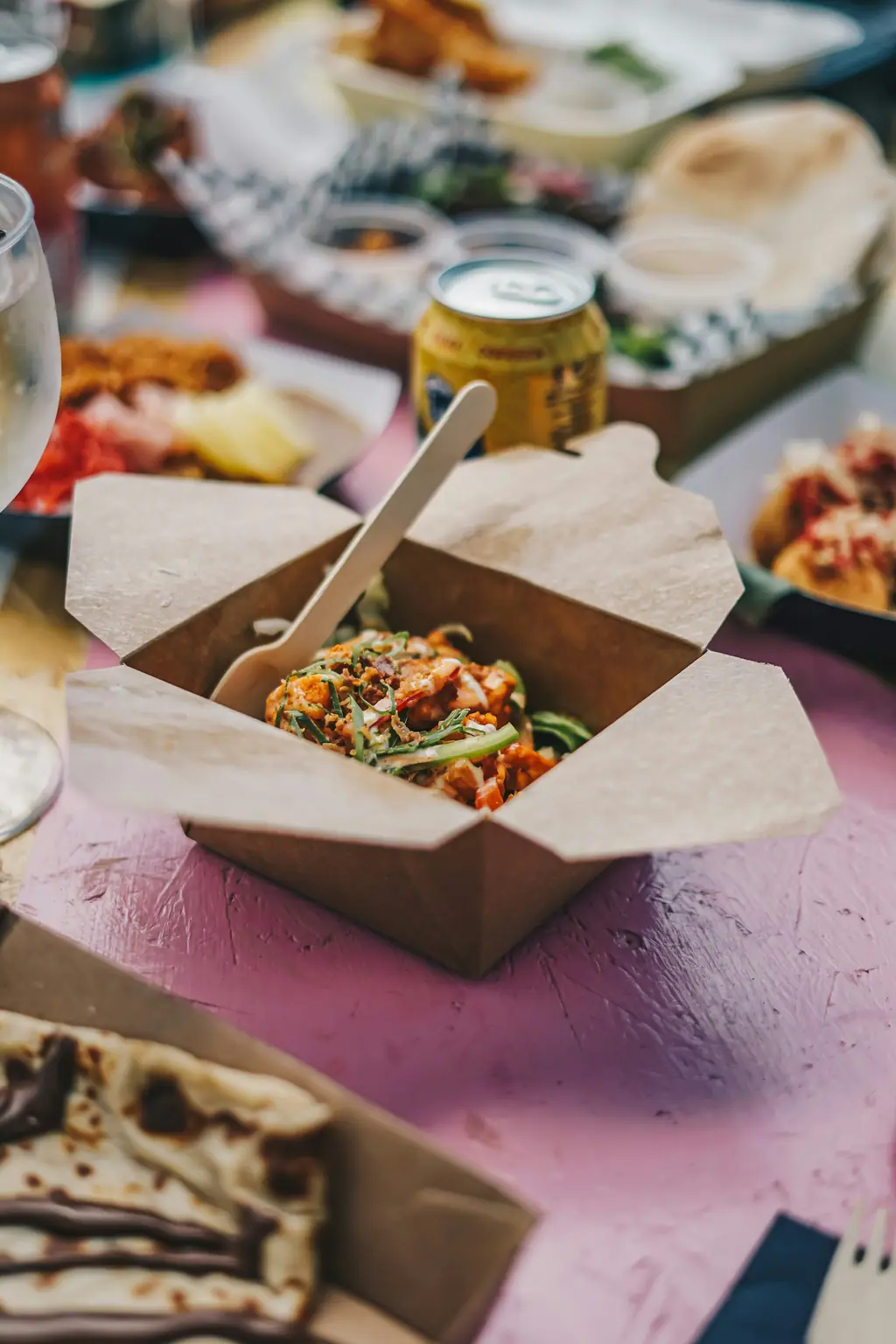
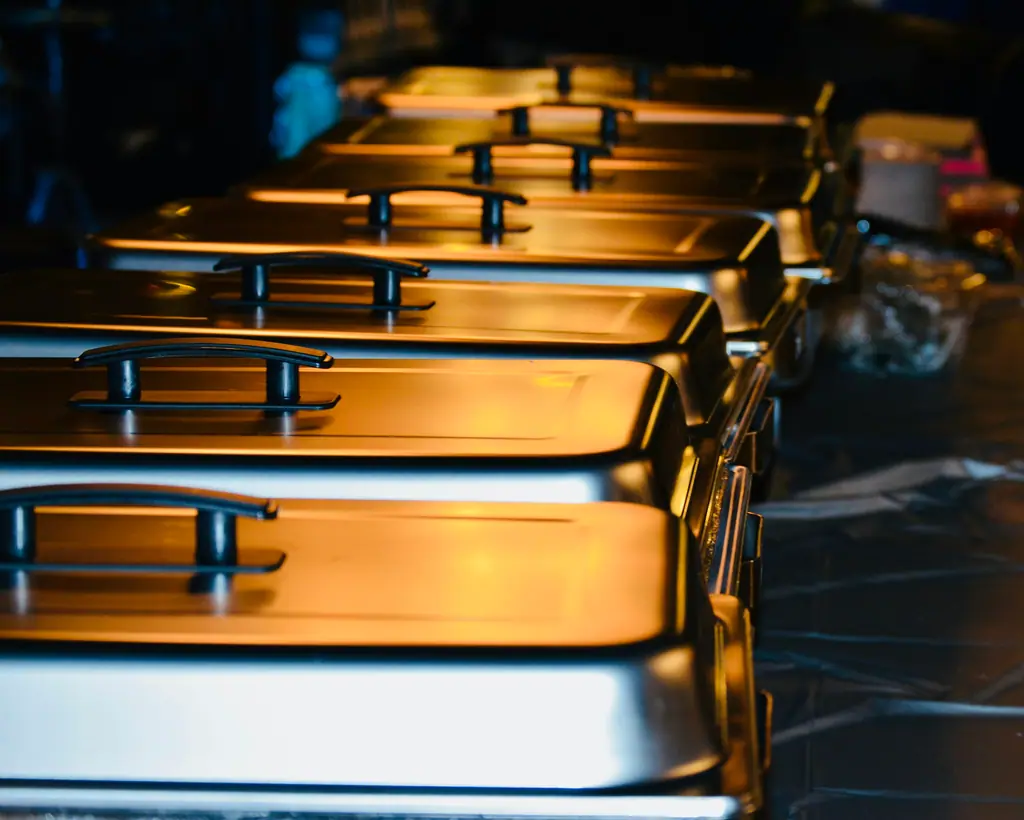
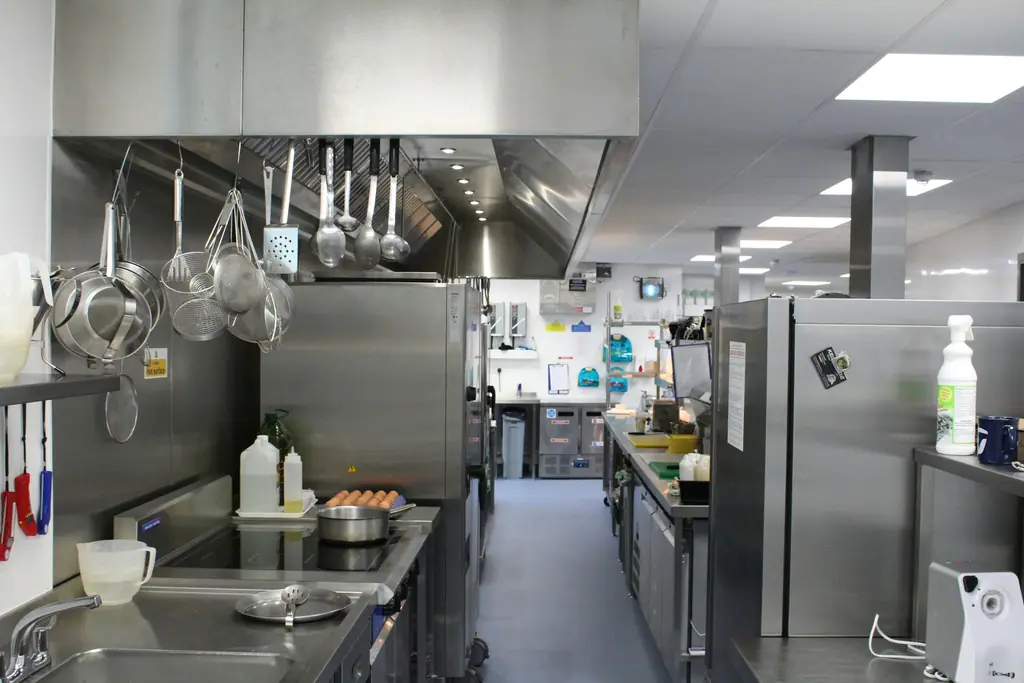
Photography shows general foodservice context only — not Firefork customers or premises.
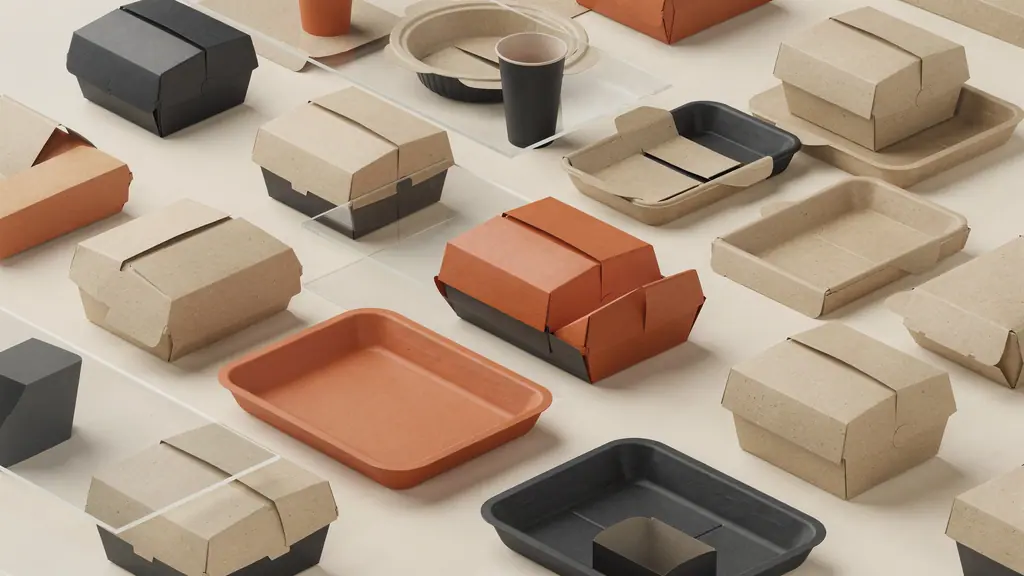
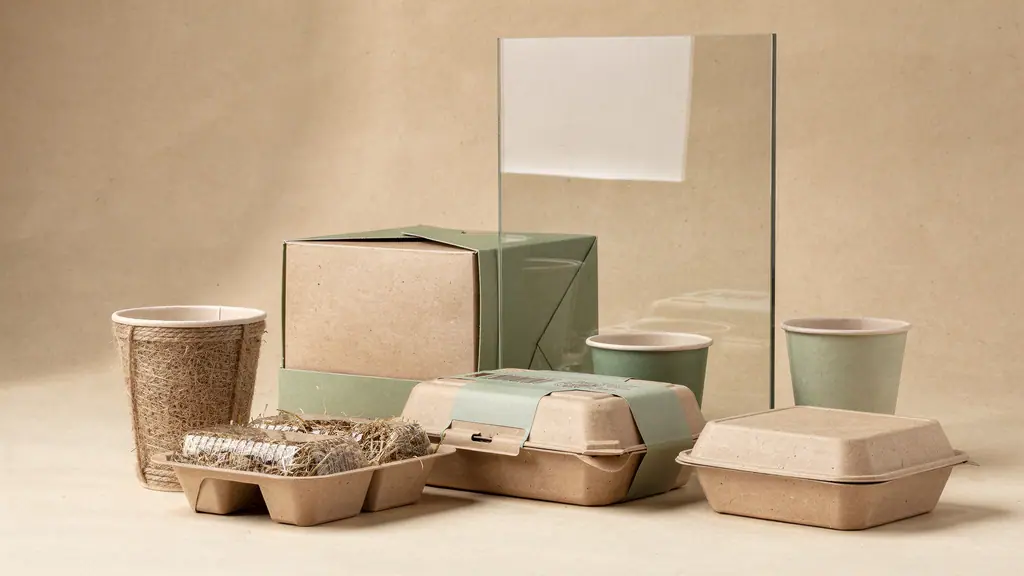
Conceptual material atmosphere
08 / Alternative packaging materials
More than one way to pack the same meal.
Many menu items can be packed in more than one material. Firefork can discuss kraft, paper-based, recyclable and compostable options where a suitable product specification exists for the application.
01Material
Kraft
Unbleached or natural-look paperboard used for boxes, bags and containers. A finish and material choice — not an environmental claim in itself.
02Material
Paper-based
Board and paper formats for cups, containers, wraps and bags, often as an alternative to rigid plastic formats where the application allows.
03Claim — by product
Recyclable options
Some products are designed to be recyclable where suitable collection and processing exist. That depends on the product and the local system.
04Claim — by product
Compostable options
Some products are described by their manufacturer as compostable under specific conditions — often industrial composting rather than home composting.
09 / Product selection by use
The foodservice packaging matrix.
Selection starts with the application. Each cell is a question to answer for your menu — the right product follows from the food, the service model and the journey.
Conceptual procurement view — no product performance implied
Foodservice packaging matrix: selection considerations by application. Values are generic prompts, not product data.
Consideration / Use
01Hot food
02Cold food
03Drinks
04Bakery
05Delivery
06Events
Container
By application
By application
Cup format
Bag / box / tray
By application
By headcount
Material
Subject to product data
Subject to product data
Subject to product data
Subject to product data
Subject to product data
Subject to product data
Closure
To specification
To specification
Matched lid
By application
To specification
By application
Handling
By application
By application
Sleeve / carrier
By application
By application
Volume service
Transport
To specification
To specification
Carrier
By application
To specification
By application
To specificationSubject to product dataBy application
10 / Commercial procurement
Supply starts with the requirement, not the catalogue.
Rather than pushing a product list, Firefork works from what you are serving and how. The requirement defines the packaging type, the material and the quantity — then suitable products are sourced and confirmed with you before supply.
Requirement → SupplyConceptual procurement view
01Input
Food type
What is being packed — hot, cold, wet, greasy, drink or dry goods.
02Define
Packaging type
Box, tray, pot, cup, bag, wrap or consumable.
03Define
Material
Preference, if any, and what the application needs.
04Check
Quantity
Approximate volume and whether it repeats.
05Review
Source
Suitable products and alternatives identified.
06Confirm
Confirm
Specification, quantity, price and delivery agreed.
07Supply
Supply
Order fulfilled to the confirmed arrangements.
11 / Bulk & trade supply
Specify what you need. Order at the scale your operation requires.
Quantities follow your operation, not a fixed price list. Tell us roughly what you get through and how often — case sizes, pack quantities and pricing are confirmed against the specific products you choose.
01
Case
A single case of a confirmed product — for trialling a format or topping up a line.
Qty
By enquiry
Price
Confirmed per order
02
Multi-case
Several cases across one or more products, ordered together for a site or service period.
Qty
By enquiry
Price
Confirmed per order
03
Trade
Larger commercial quantities for operators, caterers and trade buyers, confirmed individually.
Qty
By enquiry
Price
Confirmed per order
04
Repeat requirement
An agreed list you reorder on a regular basis — quantities and timing reviewed with you.
Qty
By enquiry
Price
Confirmed per order
12 / Food contact
Packaging is part of the food-service process.
The right container for one dish can be the wrong one for another. Firefork asks about the food and how it is served so product suitability can be considered against the specification — not assumed.
“Suitability depends on the individual product specification and intended use.”
What the product is designed for, as described by its manufacturer or supplier.
02
Food contact
Whether, and how, the product is intended to come into contact with food.
03
Material
What the product is made from, including any coatings, liners or windows.
04
Temperature / application
Hot, cold, wet, greasy or dry use — and any limits set by the product data.
05
Supplier information
Specifications and documentation available for the specific product.
06
Customer responsibility
Using the product as intended for your food, process and service model.
13 / Supply chain
From source to the next reorder.
Fulfilment follows confirmation. Firefork does not promise stock or delivery windows in advance of an order — availability and arrangements are checked and confirmed for each requirement.
Example supply workflow
01
Source
Products that match the confirmed requirement are identified, along with suitable alternatives where useful.
, then
02
Confirm
Specification, quantity, pricing, lead time and delivery arrangements are confirmed with you before the order proceeds.
, then
03
Fulfil
The order is prepared to the confirmed list. If anything changes on availability, you are told before it is substituted.
, then
04
Deliver
Delivery is arranged to the agreed address and timing for that order.
, then
05
Reorder
Repeat requirements can be reviewed and reordered, keeping the same confirmed products where they remain available.
14 / Client transparency
Know what you’re buying before it arrives.
Before an order is confirmed, the details that matter to your kitchen should be clear. These are the points Firefork aims to set out for each product on a confirmed supply list.
Product information sheet
Example data
Example product information sheet. Values are shown as dashes because no live product data is displayed on this site.
Field
Value
What it tells you
01 Product
—Not shown
The specific product, not just the category.
02 Material
—Not shown
What it is made from, including coatings or liners.
03 Dimensions
—Not shown
Sizes and capacities from the product data.
04 Pack quantity
—Not shown
Units per pack and per case.
05 Intended use
—Not shown
The application the product is designed for.
06 Availability
—Not shown
Checked at the time of the order.
07 Lead time
—Not shown
Confirmed for the specific order.
08 Delivery
—Not shown
Arrangements agreed per order.
09 Supplier information
—Not shown
Documentation available for the product.
Confirmed per product at enquiry stage
15 / Start here
What does your kitchen need to keep moving?
Tell us about the packaging, quantities, food type, service model and delivery requirements.